_edited.jpg)
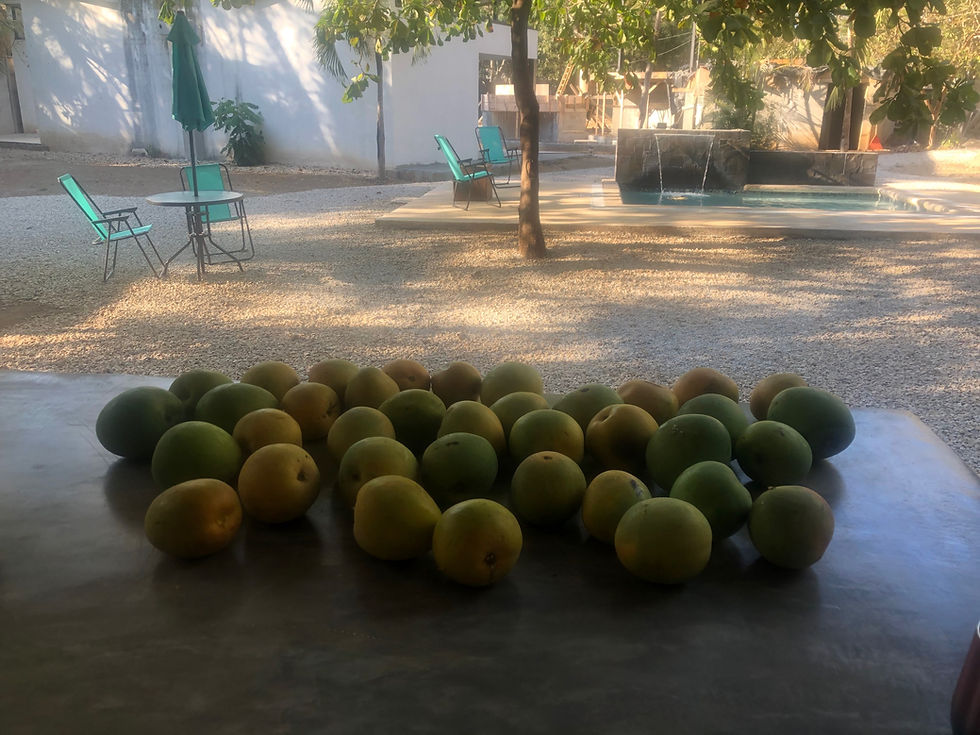
Mangoes mangoes mangoes 🥭
- Mango Mono
- Apr 23
- 2 min read
Costa Rica is home to several mango varieties, and locals enjoy them at different stages of ripeness — from tart, crunchy mango verde (green mango) to sweet, juicy mango maduro (ripe mango). Each offers unique flavors, textures, and culinary uses that make mangoes a staple of Costa Rican food culture.
🌿 Mango Varieties in Costa Rica
Costa Rica grows multiple types of mangoes, including:
Tommy Atkins – Firm, fibrous, and widely available.
Kent – Juicy, less fibrous, with a rich sweetness.
Keitt – Large, green‑skinned even when ripe, with tangy flavor.
Ataulfo (Honey Mango) – Smaller, golden, creamy, and very sweet.
These varieties thrive in Guanacaste and other warm regions, making mango season (March–July) a highlight of the year.
🥭 Green Mango (Mango Verde)
Flavor: Tart, crisp, refreshing.
Texture: Firm and crunchy.
Uses:
Sliced with salt, chili, and lime as a street snack.
Pickled or used in salads for a tangy bite.
Blended into juices for a sour kick.
Green mango is beloved for its refreshing acidity, especially on hot Costa Rican afternoons.
🍯 Ripe Mango (Mango Maduro)
Flavor: Sweet, fragrant, tropical.
Texture: Soft, juicy, often less fibrous depending on variety.
Uses:
Eaten fresh, straight from the peel.
Added to smoothies, desserts, and ice cream.
Used in salsas or chutneys to balance savory dishes.
Mango maduro is the classic tropical indulgence — sticky, sweet, and bursting with flavor.
🌴 Cultural Contrast: Green vs. Maduro
Green mango is often associated with street food culture and casual snacking.
Mango maduro is tied to home cooking, desserts, and celebratory meals.
Both are seasonal markers — locals eagerly await mango season to enjoy them in all forms.
✨ Why Mango Mono Loves Mangoes
At Mango Mono, mangoes inspire our yard‑to‑table philosophy. We use both green and ripe mangoes in fusion dishes:
Green mango salads with chili and lime.
Ripe mango BBQ glazes for traditional roasts.
Mango cocktails and desserts that highlight Costa Rica’s tropical abundance.
Costa Rican Mangoes: Green vs. Maduro
Costa Rica’s mango season is a highlight of the year, with varieties like Tommy Atkins, Kent, Keitt, and Ataulfo thriving in Guanacaste’s warm climate. Locals enjoy mangoes at different stages of ripeness — from tart mango verde (green mango) to sweet mango maduro (ripe mango).
Interestingly, some mango varieties are harvested before they’re fully ripe and then ripened off the vine. This practice helps preserve the fruit during transport and ensures it reaches peak sweetness when served.
🌿 Comparison Chart: Green Mango vs. Ripe Mango
Feature | Green Mango (Mango Verde) | Ripe Mango (Mango Maduro) |
Flavor | Tart, crisp, refreshing | Sweet, fragrant, tropical |
Texture | Firm, crunchy | Soft, juicy, often less fibrous |
Common Uses | Street snacks with salt, chili, lime; salads; pickles; juices | Fresh eating; smoothies; desserts; salsas; chutneys |
Cultural Role | Associated with casual snacking and hot afternoons | Linked to home cooking, desserts, and celebratory meals |
Ripening Practice | Often eaten straight from the tree while still green | Some varieties ripen off the vine for peak sweetness |
🥭 Mango Mono’s Yard‑to‑Table Twist
At Mango Mono, mangoes inspire our Costa Rican fusion dishes:
Green mango salads with chili and lime for a refreshing bite.
Ripe mango BBQ glazes for traditional roasts in our custom lounge.
Mango cocktails and desserts that highlight the tropical abundance of Costa Rica.
Whether tart or sweet, mangoes are central to our yard‑to‑table philosophy — sourcing locally, celebrating seasonality, and creating unforgettable flavors.


Comments